
A car that won’t start, a battery that goes dead overnight, a dashboard cycling through warning lights — most electrical faults aren’t the part the code points to. Modern vehicles run 50+ control modules and miles of wiring; the actual fault is usually a corroded connector, a chafed wire, or a single circuit doing something it shouldn’t. Tracing the actual circuit — instead of guessing at the part — is the only way to get electrical work right.
Most car electrical jobs in Calgary fall into a short list.
Battery, starter, ignition switch, neutral safety switch, ground straps. Battery first — it’s the cheapest answer when it’s right.
Something is staying on with the car off. Finding it means isolating each circuit until the culprit shows up. Common culprits: aftermarket alarms, glove box lights, a stuck-on relay, a body control module that won’t go to sleep.
Chafe, corrosion at connectors, and rodent damage. Calgary winters drive mice into warm engine bays — chewed harness wraps are more common than you’d think. Trace, splice, seal, and re-route away from heat or moving parts.
Replace and identify what blew it in the first place. A fuse that pops twice isn’t a fuse problem.
Diagnosis and replacement. Circuit-side issues — corroded grounds, bad cables — get blamed on the starter more often than they should.
Body control modules, engine control modules, transmission control modules. We’ll diagnose the fault and let you know what’s involved in the fix.
Headlight aim, brake-light and turn-signal circuits, dashboard bulbs, LED swap sanity-checks (drop-in LEDs that flicker because the resistor is wrong).
Road salt is brutal on connectors. Sub-zero mornings expose tired batteries and marginal starters that were fine in October. Chinook freeze-thaw cycles cycle every connector under the hood through moisture and ice — corrosion gets in, conductivity drops, and a circuit that worked yesterday throws a code today. Rodents find warm engine bays in winter and chew wiring insulation. And the cheap “phantom drain” YouTube fix usually makes the problem worse by introducing a new poor-quality splice into a stressed circuit.
Most Calgary electrical problems are environmental — corrosion, chafe, salt, ice — not a “part” that needs replacing. Find the damage, fix the damage, the circuit comes back.
If your car won’t start, your battery keeps going dead, or your dashboard looks like a Christmas tree, come by Rite-Price Auto Service Centre in SE Calgary. We’ll trace the actual circuit, not throw parts at it. Call (403) 243-4204 — we’ll talk through your symptoms in 60 seconds and let you know what to expect.
If you’ve already had codes pulled and want a second opinion before you start swapping parts, that’s a vehicle diagnostic. If your charging issue traces back to the alternator, we cover that on a dedicated page.
Looking for more than just electrical work? Rite-Price Auto Service Centre handles a wide range of services — from alternator repair and diagnostics to brake service, general maintenance, and more.

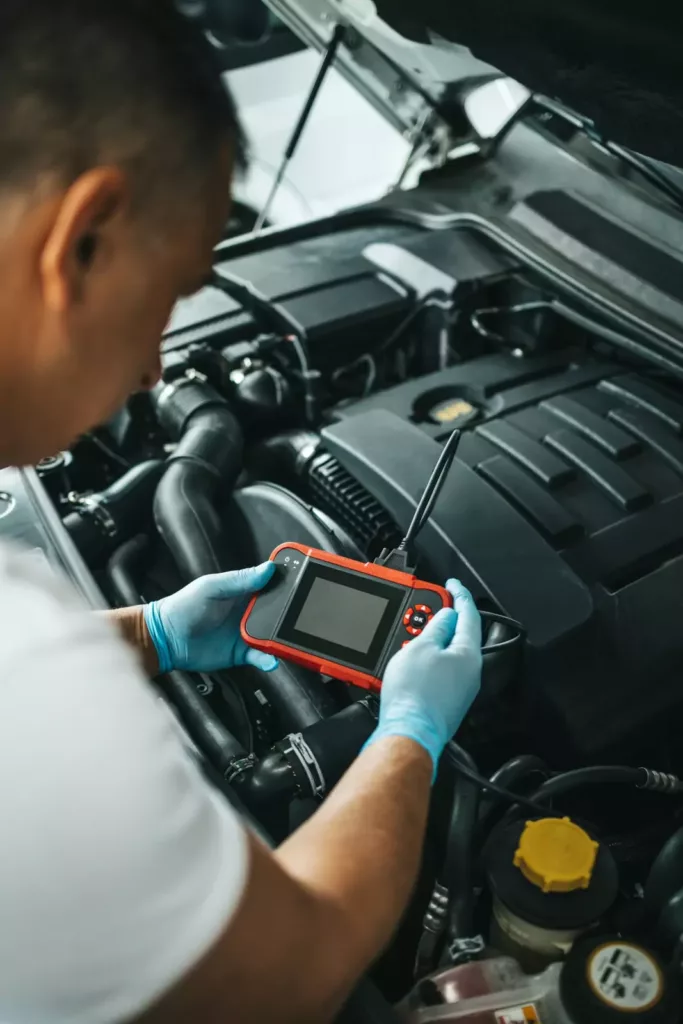
Rite-Price has been on Manilla Road SE for years, and our electrical work is the same as the rest of the shop — straight answers, clear quotes, no part-swap roulette. We serve drivers from Chinook, Ogden, Lynnwood, Riverbend, Douglasdale, Acadia, Maple Ridge, Willow Park, and the rest of SE Calgary. If your car has an electrical gremlin a previous shop couldn’t pin down, bring it in.
Both get tested — the battery with a load tester, the alternator with a charging-system check. Cheapest answers first, before anything more involved comes apart.
Yes. It takes some patience — isolating circuits one at a time until the draw shows up — but very findable with the right tools.
Door switch stuck, body control module thinking a door is open, or a stuck dome control. Cheap to diagnose, and almost always fixed in one visit.
A module or accessory staying powered when the car is off. Common culprits: aftermarket alarms, a glove box light that won't switch off, a stuck relay, or a body control module that won't go to sleep. Finding it means isolating circuits one at a time until the draw shows up.
Sub-zero mornings expose marginal batteries and tired starters that were fine in October. Road salt accelerates connector corrosion. Freeze-thaw cycles trap moisture under the hood, which then conducts where it shouldn't. And rodents looking for warmth chew wiring insulation. Most "sudden" winter electrical issues started months earlier.